

Telehealth Therapy for Tweens: What Parents Should Know
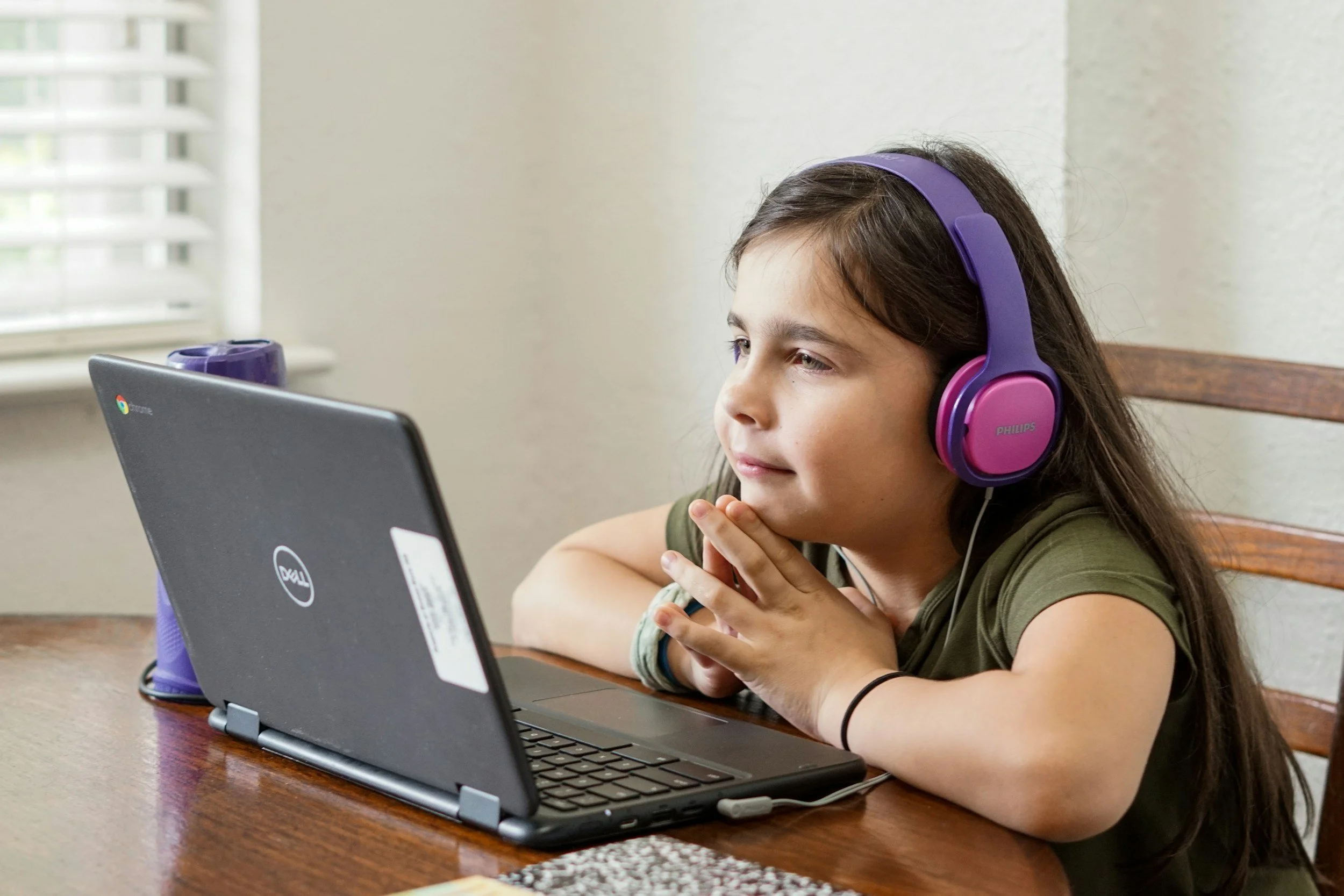
When I tell parents I offer telehealth for kids ages 9 and up, I usually get the same reaction: a hopeful pause, then a skeptical one. "My child is a little old for play therapy, isn't she? And how would that even work over a computer?"
They're good questions. The honest answer is that play therapy isn't just for little kids, and for many tweens and preteens, meeting online works well.
Play Therapy Isn't Just for Little Kids
Play therapy is built on a simple idea: kids express through play and creativity what they can't always say in words. By nine or ten, that play looks different. It might be drawing, storytelling, a favorite game, or building something and talking about it. It rarely involves a toy kitchen.
A tween who can't explain why friendships feel complicated might show me through a character they've drawn or a story they're writing. That doesn't depend on my playroom. It depends on a child feeling safe, being heard, and having a way to express themselves, and kids can do all of that from home.
What a Telehealth Session Actually Looks Like
Sessions are still about your child, but the tools change. Depending on your child's interests and needs, a session might include:
Drawing and art. We make something together and talk about what it means to them.
Games and activities. Feelings games, creative prompts, and conversation starters designed for the screen.
Storytelling and imagination. Writing or inventing characters, building scenarios, and exploring them together.
Sharing what they love. Many kids this age light up when they get to show me a favorite game, book, or hobby. It's a great way to build trust.
Practicing coping skills. Breathing exercises, calming strategies, and ways to name big feelings, all in the place where your child will actually use them.
Where Telehealth Can Be a Real Advantage
Kids are comfortable at home. For some children, especially anxious ones, starting in a familiar space makes opening up easier.
No commute. Between school, sports, homework, and siblings, skipping the drive makes it much easier to stay consistent, and consistency is where progress happens.
Flexibility. A mild illness or bad weather doesn't have to mean a missed session.
Comfort with screens. Many kids this age are already at ease with video, which can make sessions feel more natural.
Is It the Right Fit for Your Child?
I offer telehealth for children ages 9 and older. It tends to work best when:
Your child can stay engaged with a screen for a full session
You have a quiet, private space and a reliable internet connection
A parent or caregiver is available to help get set up and check in afterward
For children under 9, I recommend in-person sessions. Younger kids usually do best with hands-on play in the playroom, and that's where I can meet them most fully. If you're not sure which format is right for your child, I'm happy to talk it through, and we can adjust later if needed.
How to Set Up for a Good Session
Pick a quiet spot where your child feels comfortable and won't be interrupted.
Have a few things nearby, like paper, markers, or a favorite object.
Keep it low-pressure. Let your child know they're coming to talk, play, and be heard, not to be "fixed."
Give us privacy during the session. Being nearby for tech help is fine, but kids open up more when they know it's their own space.
Your Role as a Parent
I don't work with your child in isolation. I'll check in with you regularly about what we're working on and how you can support it at home, while respecting your child's privacy as they build trust with me. That partnership matters just as much online as in person.
Ready to Talk It Through?
If you're curious whether telehealth could work for your child, I'd love to hear about your family. I offer a free 15-minute phone consultation, and there's no pressure to decide anything on the call.
Sarah Cardenas, LCSW-C, is a licensed clinical social worker and the founder of Two Sparrows Counseling of Maryland, serving families in Harford County, Maryland and via telehealth.